Google SEO Update 2026
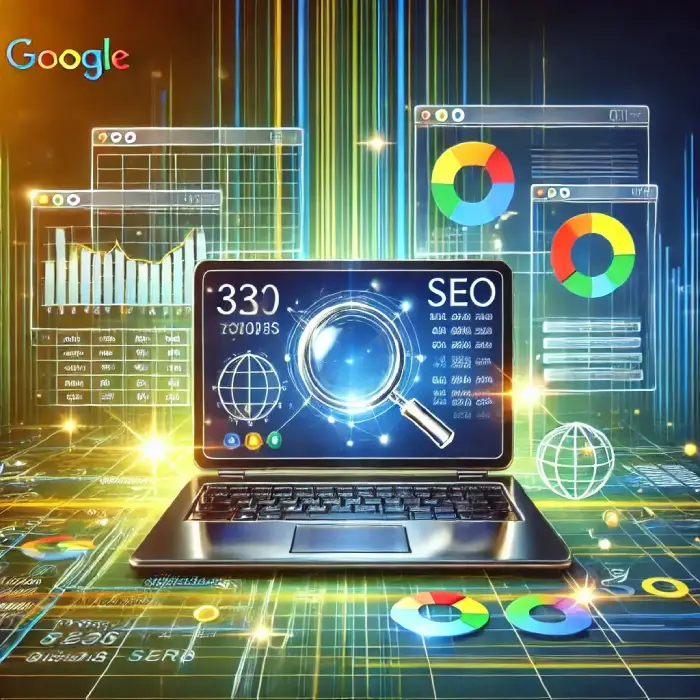
Google’s search algorithm is evolving faster than ever. In 2026, the latest Google SEO Update has introduced significant shifts, prioritizing AI-contextual relevance and real-time user interaction. For website owners and developers, staying stagnant is not an option—you must adapt to maintain your visibility and organic traffic.
As a web developer focusing on high-performance sites at Gadget Crunchie, I’ve analyzed the core changes in this update. Here is everything you need to keep your rankings safe and scale your search presence.
What’s New in the 2026 Google SEO Update?
The latest update, rolled out in early 2026, focuses on moving beyond basic keyword density to reward true “Human-Centric Value.”
Now a critical ranking signal fully replacing FID to measure real user UI responsiveness.
Improved algorithmic detection designed to penalize unvetted, low-effort AI mass publishing.
Structuring page data to ensure content feeds directly into Search Generative Experience AI snapshots.
Deeper weighting placed on verified personal experience, credentials, and topical authority.
Key Changes in the Latest Update
1. The Rise of INP (Interaction to Next Paint)
Google now measures how quickly your site reacts when a user clicks a button, toggles a menu, or fills out an input. If your Google SEO update audit shows a poor INP score (over 200ms), your rankings will suffer, regardless of how strong your content is.
2. SGE & AI Search Optimization
Google’s AI (Search Generative Experience) now answers queries directly inside generated snapshots. To get cited in 2026, your content must be structured as “The Definitive Answer”:
- Use clean, logical heading structures (H2, H3).
- Implement Schema Markup (FAQ, HowTo, Article) to help AI bots parse exact data entities.
3. E-E-A-T: The “Experience” Multiplier
Google is actively penalizing generic content farms. This update prioritizes creators and technical authors who demonstrate firsthand experience—including real photos, original case studies, and transparent technical credentials.
Stay ahead of ranking changes by following our Best SEO Strategies for 2026 and optimizing Core Web Vitals.
How the Update Impacts Website Owners
| Impact Area | Previous Trend | 2026 Requirement |
|---|---|---|
| Content | Keyword Density | Contextual Relevance & Depth |
| Speed | Simple Page Load | Smooth Interactivity (INP < 200ms) |
| Mobile | Responsive Design | Mobile-First App-like UX |
| Authority | Backlink Quantity | Topical Trust & Verified Citations |
Actionable Steps to Adapt Your Strategy
Run PageSpeed Insights to inspect Core Web Vitals. As a full-stack engineer, I recommend removing unused JavaScript execution threads, optimizing CSS delivery, and pushing for 100/100 performance across devices.
Thin pages drag down your entire domain’s quality footprint. Audit your index to rewrite obsolete posts with fresh data or consolidate them to elevate your Site Quality Score.
Show search engines who is behind the content. Connect author bios to active social channels, cite real academic degrees (e.g., Bachelor of IT), and document technical project experience.
Target natural, long-tail query formulations. Instead of head keywords like “SEO update”, optimize around natural search patterns like “How does the latest Google SEO update affect my blog?”
Smart Strategies for Your Tech Life
- •Can AI predict your health? Explore how Google Preventive Care is changing wellness.
- •Want to earn more from your site? Check out our guide to Maximize AdSense Revenue for WordPress.
- •Is your physical wallet obsolete? Discover why Google Wallet is the new Digital Identity Hub.
Watch Behind-The-Scenes Breakdowns
Subscribe to ByteScript MZA on YouTube for full-stack e-commerce tutorials.
Conclusion: Staying Ahead in the SEO Game
The 2026 Google SEO update confirms one thing: Google wants to serve the fastest, most reliable, and most human content possible. Prioritizing user interaction speed and technical clean-code architecture is no longer optional—it is a survival requirement.
As a solo developer, I focus on building platforms that are not just fast, but “Google-Proof.” By focusing on code quality over mass generation, you turn algorithm updates into massive competitive advantages.
Has Your Site Been Affected?
Drop a comment below with your current PageSpeed and INP scores! Let’s discuss how to diagnose ranking dips and optimize your technical stack.
Frequently Asked Questions
Clear answers to common questions about this topic.

Muhammad Zubair Abid
Full-Stack Developer & Founder of Gadget Crunchie. Expert in SEO, Web Performance, and Tech Reviews.